How to Adapt Corporate Events for Different Team Sizes
Sampriti
Contributor
Published
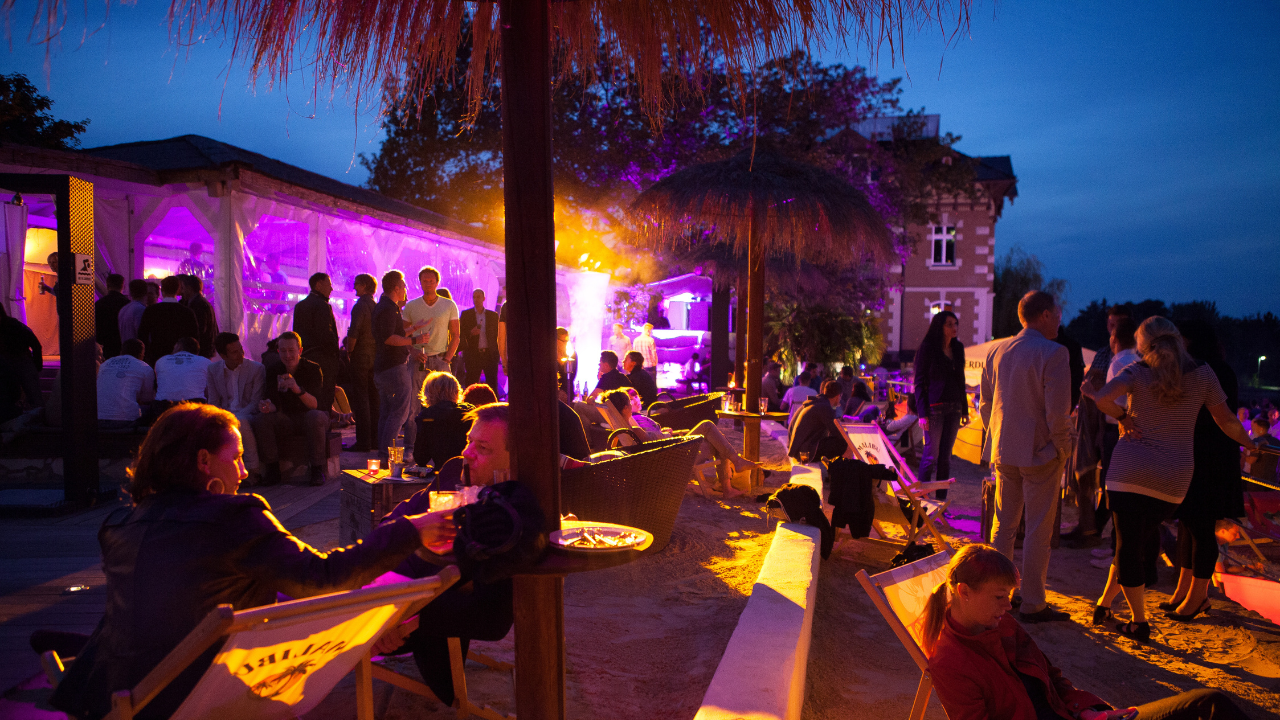
Scaling corporate events requires shifting from conversational flexibility in small groups to highly structured, group-based formats for larger teams to ensure engagement remains personal and organized.
Corporate events don’t scale automatically. What works for a small team may not work for a larger group.
Understanding how to adapt events based on team size is key to maintaining engagement.
Small Teams (10–25 Participants)
Smaller groups allow for:
- More direct interaction
- Personalized engagement
- Flexible formats
Events can be more conversational and less structured.
Mid-Sized Teams (25–100 Participants)
As teams grow, structure becomes more important.
This often includes:
- Defined segments
- Group-based activities
- Clear facilitation
Balancing interaction and organization is essential at this stage.
Large Teams (100+ Participants)
Large events require careful planning to maintain engagement.
Effective strategies include:
- Breaking participants into smaller groups
- Using structured formats
- Strong hosting to guide the experience
Without structure, large events can feel chaotic or impersonal.
Why Adaptation Matters
Participants should feel equally engaged regardless of team size.
Teamevents.ai designs events that scale effectively, ensuring consistent experience quality across small, mid-sized, and large teams.
Conclusion
The success of a corporate event depends not just on the idea—but on how well it fits the audience size.
FAQs
Do events need to change based on team size?
Yes, different sizes require different levels of structure and interaction.
How do you keep large events engaging?
By using structured formats and smaller breakout groups.