Events• 2 min read
Key Elements of a Well-Structured Corporate Event
S
Sampriti
Contributor
Published
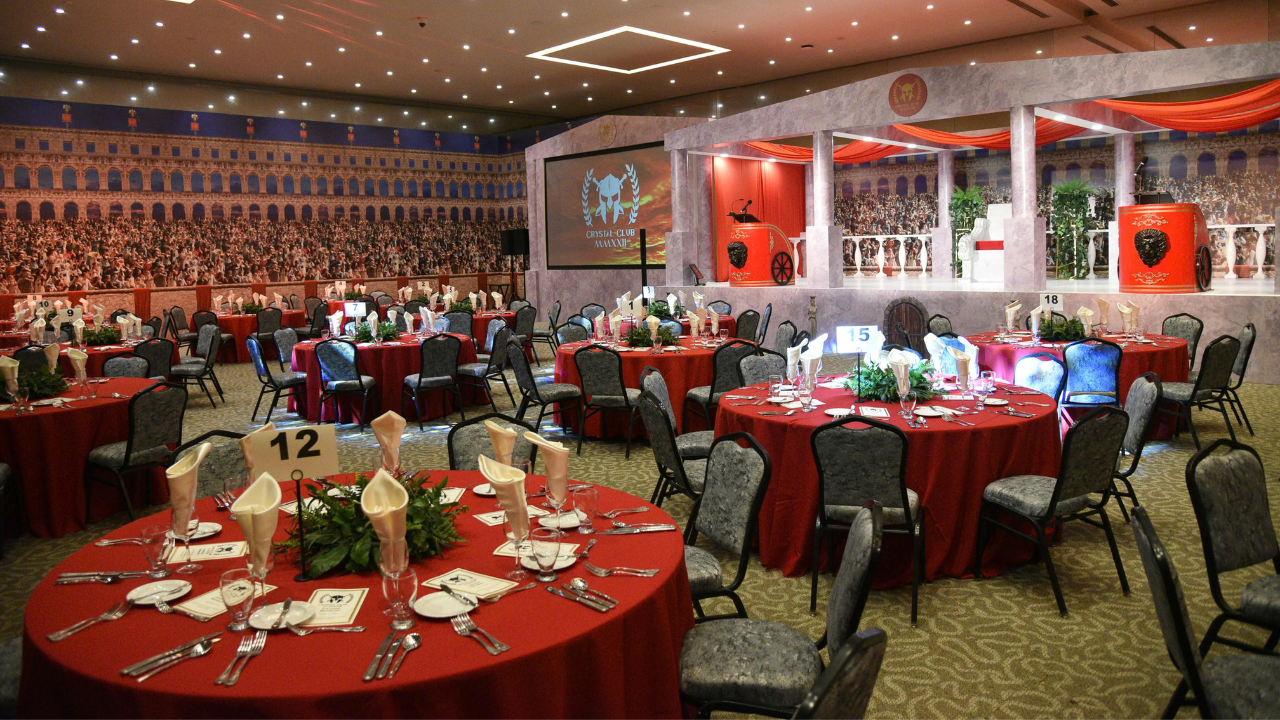
A successful corporate event relies on a clear flow, balanced pacing, and structured interaction to turn complex logistics into an effortless participant experience.
A successful corporate event is rarely accidental. Behind every smooth and engaging experience is a clear structure that guides participants from start to finish.
At its core, a well-structured event answers three questions: what is happening, when is it happening, and how do participants engage?
The first element is clarity. Participants should immediately understand the flow of the event. Whether it is a virtual session or an in-person experience, confusion reduces engagement. A clear agenda, simple instructions, and defined transitions make a significant difference.
The second element is pacing. Events that move too slowly lose attention, while those that feel rushed can overwhelm participants. A balanced pace keeps energy consistent and allows time for interaction.
The third element is interaction. Even the most organized event will fall flat without participation. Structured moments for engagement—such as team activities or discussions—help maintain interest.
Finally, execution ties everything together. Smooth coordination, clear communication, and minimal disruptions create a professional experience.
Teamevents.ai focuses on bringing these elements together, ensuring that corporate events are not only engaging but also seamlessly organized for teams across different regions.
A well-structured event does not feel rigid—it feels effortless.
FAQs
What makes a corporate event well-structured?
Clear flow, balanced pacing, and interactive elements.
Why is structure important in events?
It improves participation and ensures a smooth experience.