The TeamEvents Journal.
Insights on culture, leadership, and the science of connection.

The Difference Between DIY Corporate Events and Managed Experiences
The choice between DIY and managed experiences comes down to consistency; while internal events save costs, professional platforms remove the logistical burden to ensure high-quality execution and sustained engagement.
Sampriti
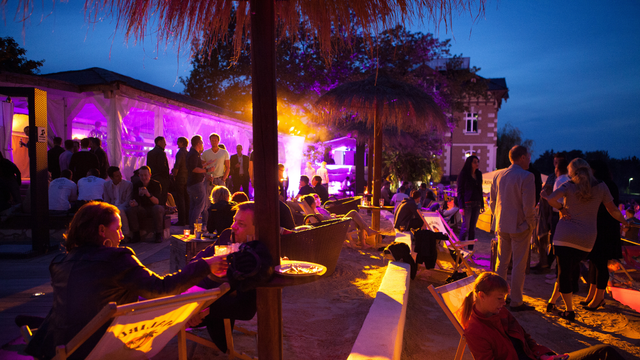
How to Adapt Corporate Events for Different Team Sizes
Scaling corporate events requires shifting from conversational flexibility in small groups to highly structured, group-based formats for larger teams to ensure engagement remains personal and organized.

The Importance of First Impressions in Corporate Events
A strong first impression begins with clear pre-event communication and a confident opening that builds immediate trust, setting the stage for high engagement throughout the entire experience.

How to Design a Corporate Event Agenda That Keeps People Engaged from Start to Finish
A well-designed agenda acts as the event's backbone, balancing intentional openings and smooth transitions with enough breathing room to keep energy consistent and participants focused.

How to Make Corporate Events Inclusive for Diverse Teams
True inclusivity transforms corporate events into universal experiences by combining global accessibility with cultural awareness and flexible participation styles that respect every team member.

The Quiet Difference Between a “Good” Event and One People Talk About for Months
Memorable events transcend routine logistics by prioritizing emotional imprint and "structured flexibility," creating space for the spontaneous interactions that people actually remember.

Why “We Already Do Events” Is Often a False Signal of Engagement
True engagement requires treating events as an evolving product rather than a routine checklist, constantly iterating formats to replace predictable repetition with genuine curiosity.

Why the Best Corporate Events Don’t Feel Like “Corporate Events”
The most impactful events succeed by prioritizing human connection over rigid formality, creating a natural environment where participants feel less like attendees and more like themselves.
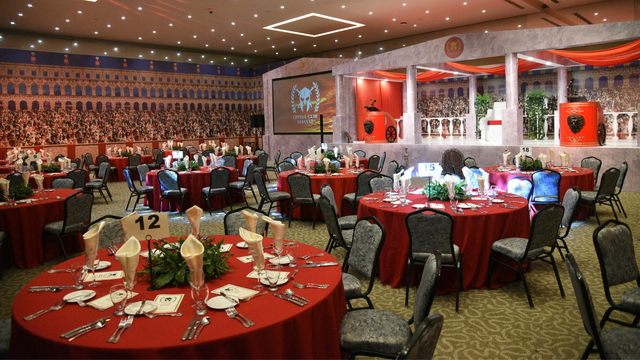
Key Elements of a Well-Structured Corporate Event
A successful corporate event relies on a clear flow, balanced pacing, and structured interaction to turn complex logistics into an effortless participant experience.

How to Choose the Right Event Frequency for Your Company
Maximize engagement without causing burnout by balancing consistent monthly touchpoints with high-impact quarterly events tailored to your team's schedule.

How to Use Corporate Events for Employer Branding
Strategic corporate events boost employer branding by showcasing an authentic company culture that attracts top talent and creates shareable, brand-enhancing moments.

How to Align Corporate Events With Business Goals (Not Just “Fun Activities”)
Transform your corporate events from isolated activities into strategic assets by aligning every session with specific business goals like onboarding, collaboration, or leadership growth.